Book directly – get the best price and support us in preserving our historically valuable lodge.
Menu
Heritage Design & Sustainability
Preserving the past. Protecting the future.
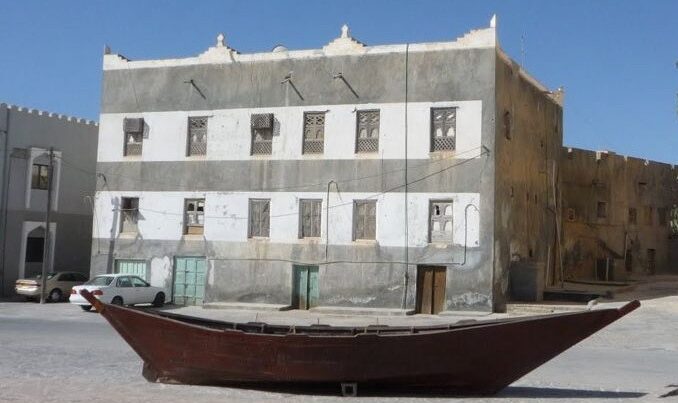
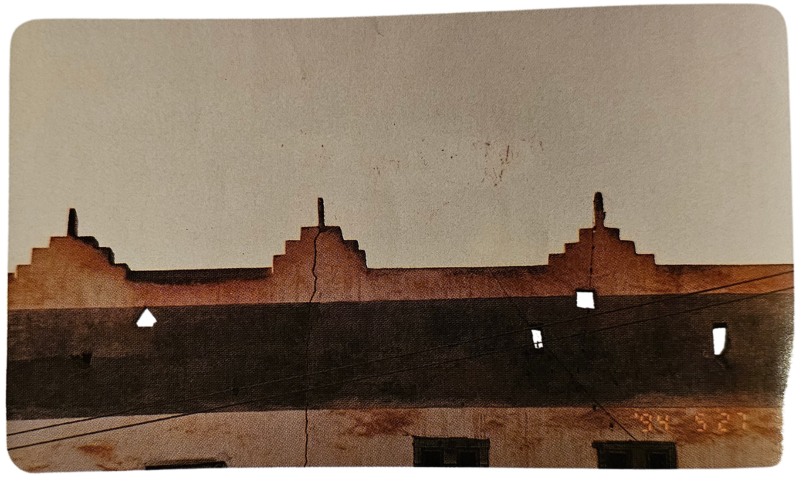
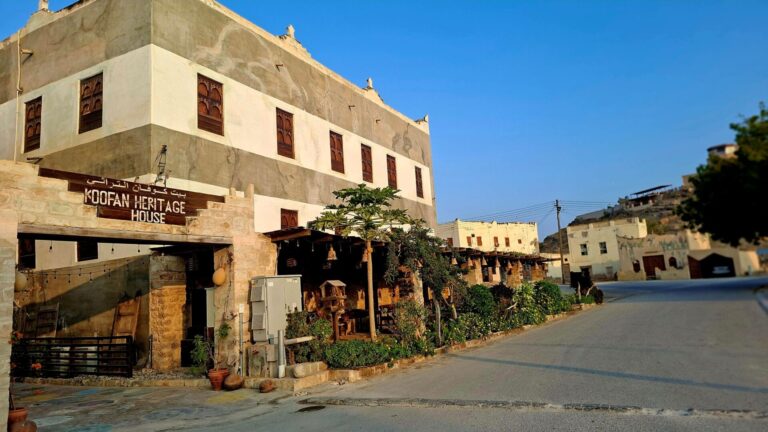
The Koofan Heritage Lodge is a remarkable example of traditional Omani eco-architecture, designed in harmony with climate, culture and community. It is a rare masterpiece of traditional Omani architecture in Dhofar, carefully and lovingly restored over generations to preserve its authentic character.
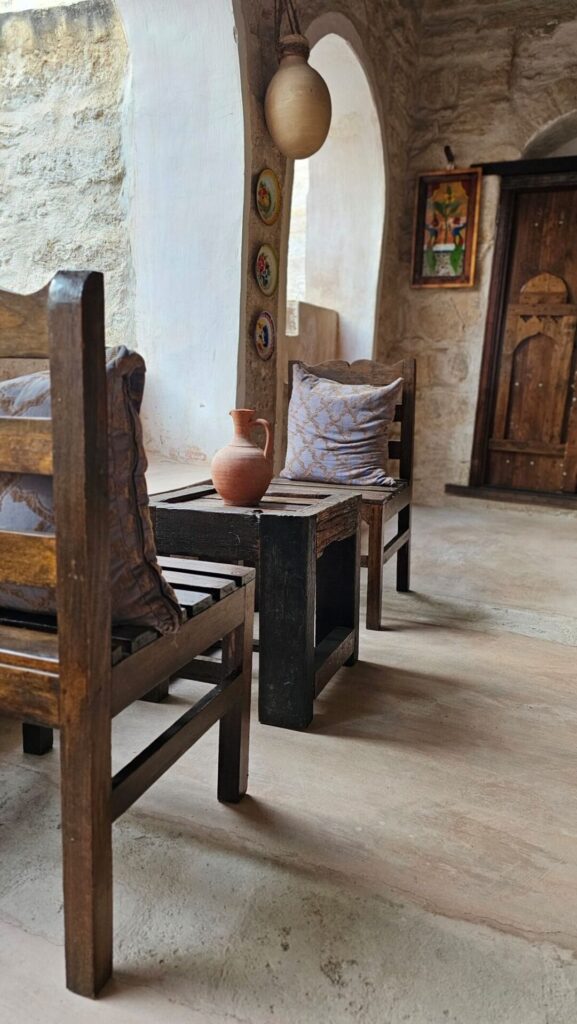
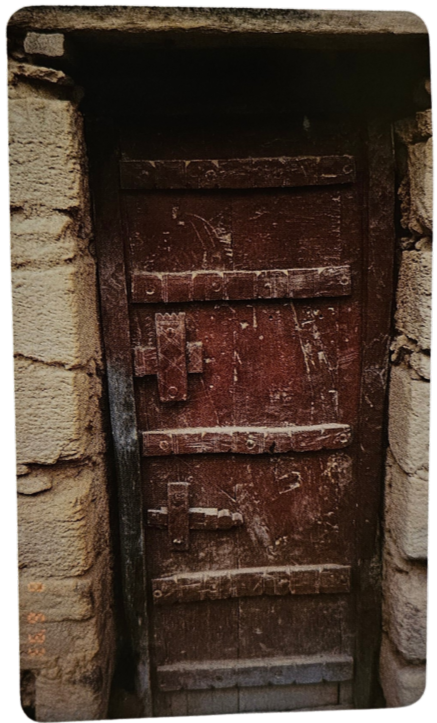
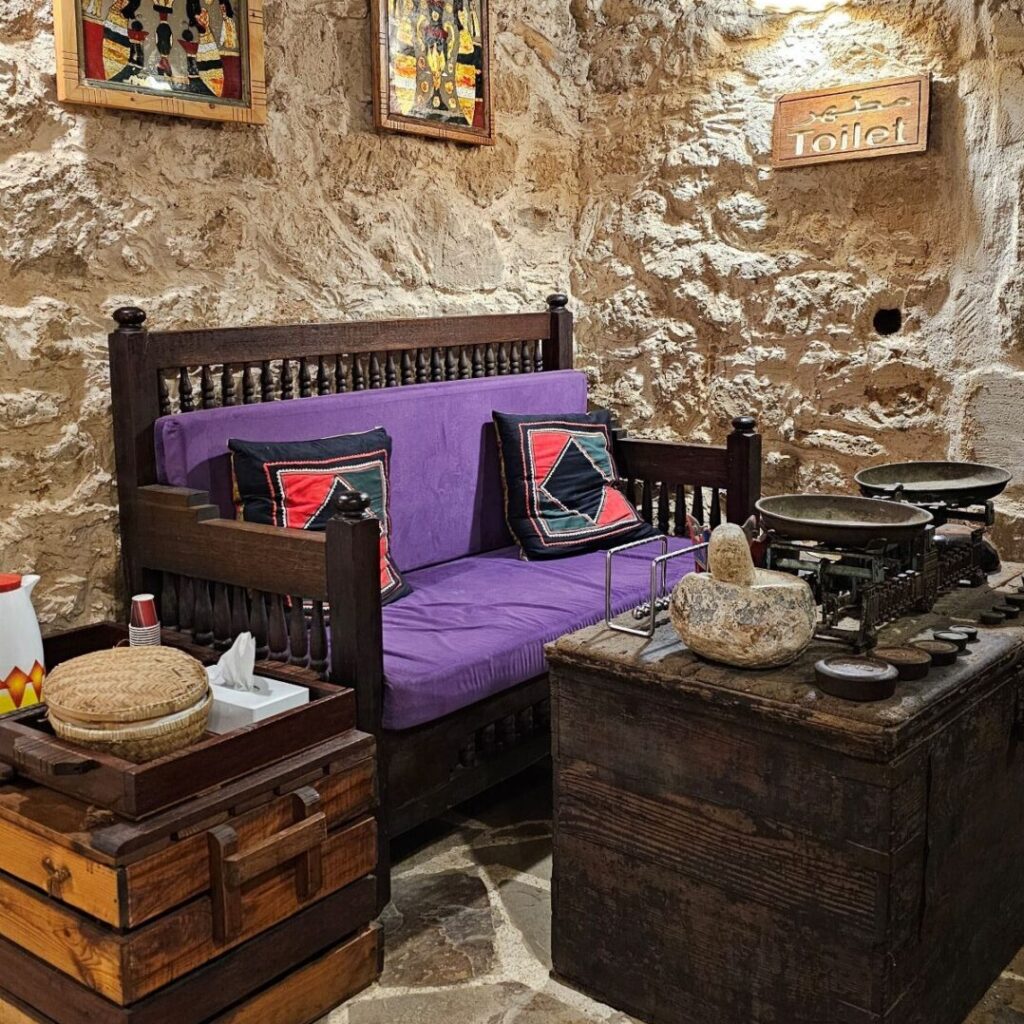
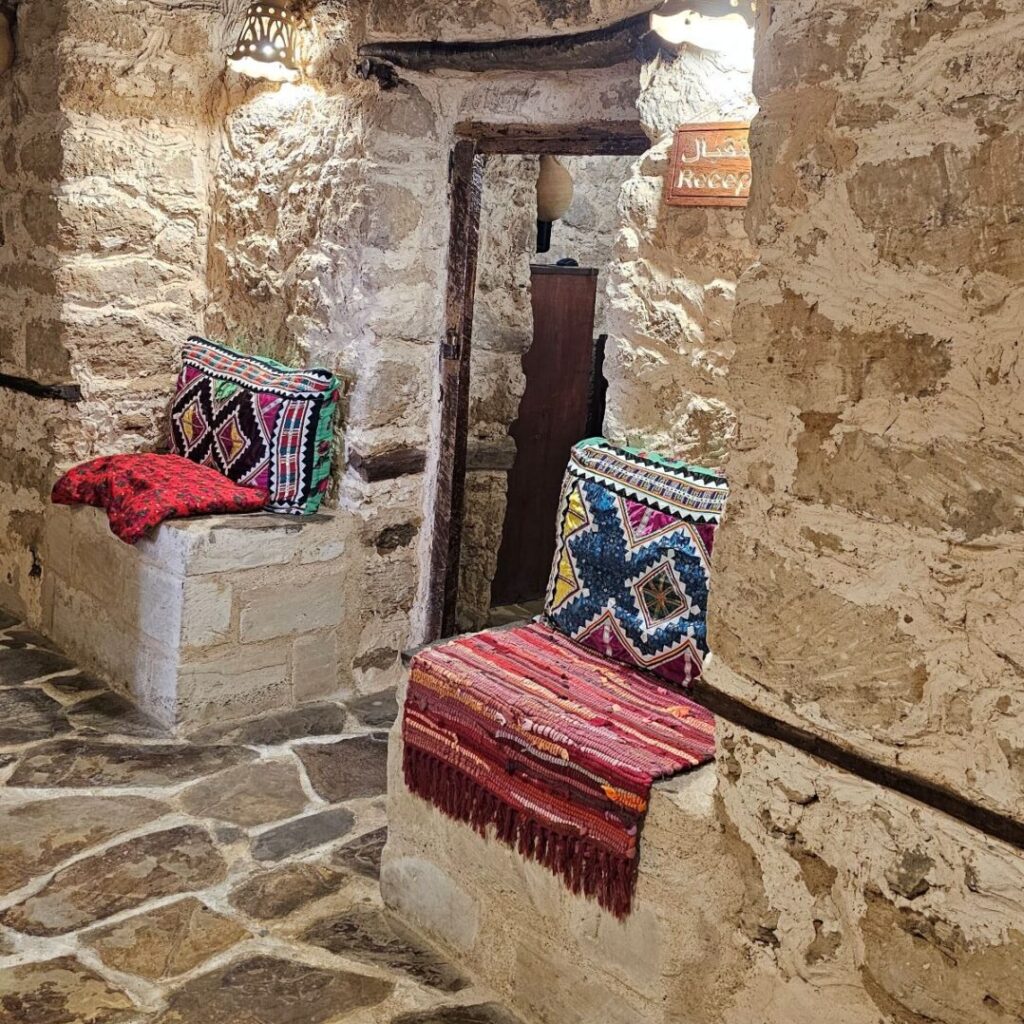
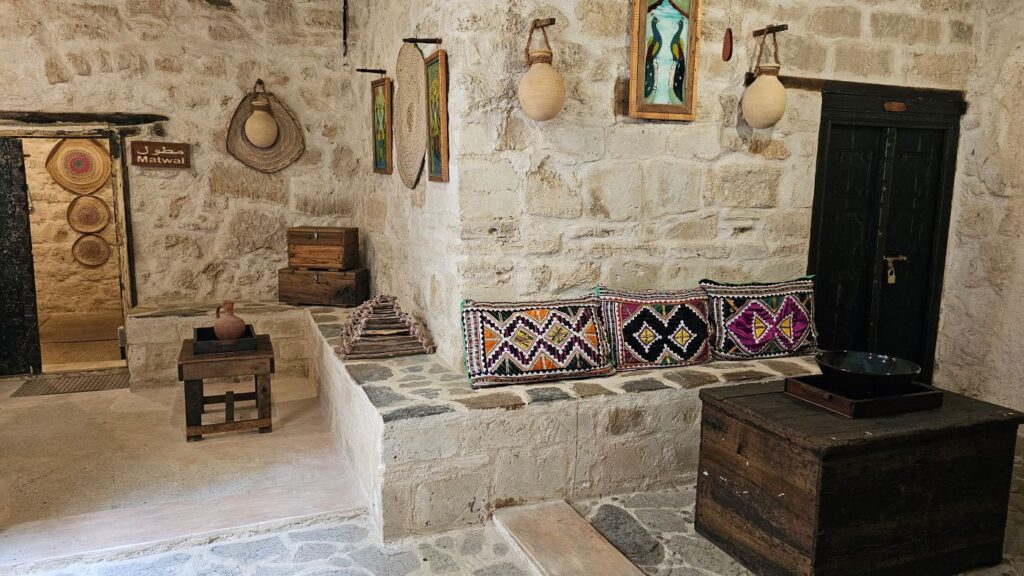
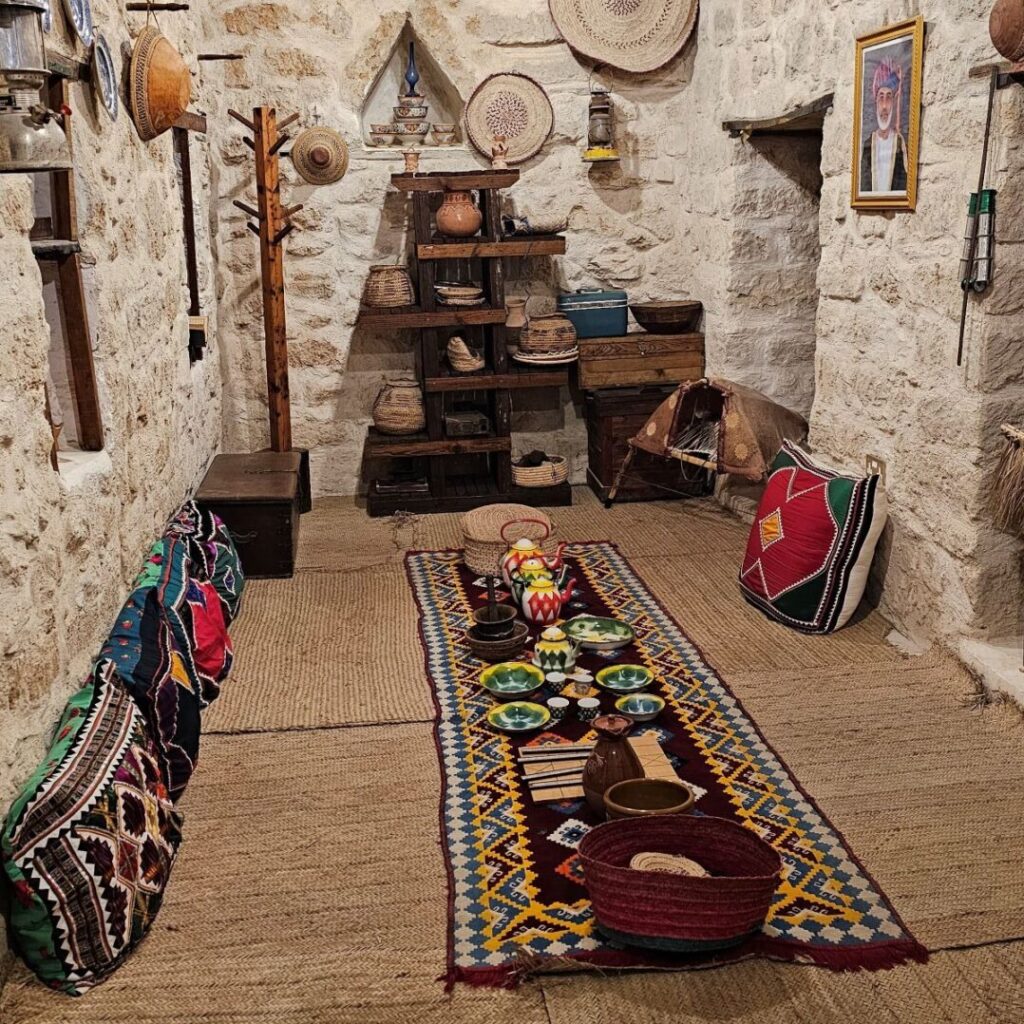
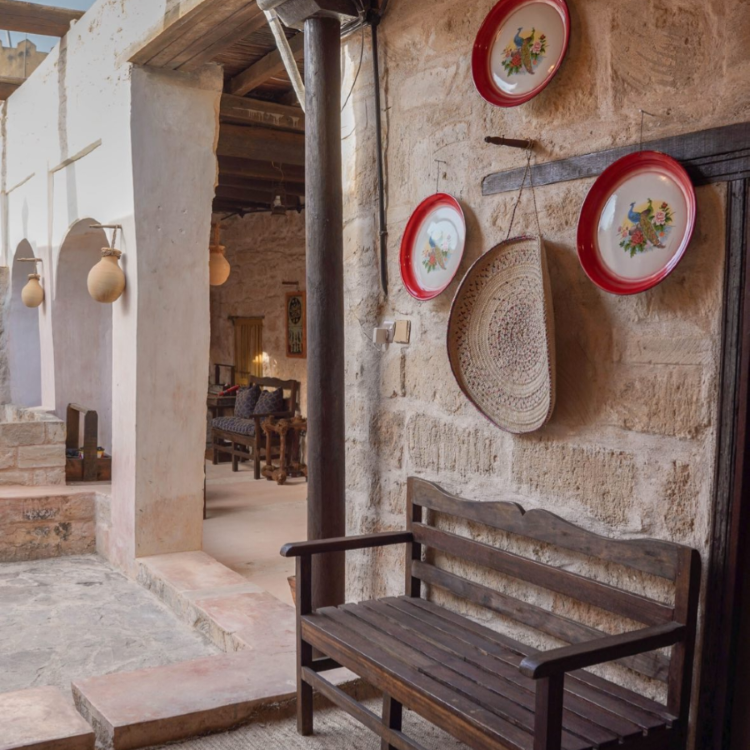
High ceilings, carved wooden doors, natural textures and centuries-old techniques create an atmosphere of quiet sophistication.
True sustainability is not a modern invention. Long before the word existed, homes like ours were built in harmony with climate, community, and natural materials.
To preserve this house means preserving knowledge – traditional building techniques, local craftsmanship, and a way of life shaped by patience and care. Our commitment is to maintain this heritage with integrity, ensuring that it remains alive, not only for todday’s guests, but for tomorrow’s generations.
Traditional Omani Architecture
A house designed as a living system
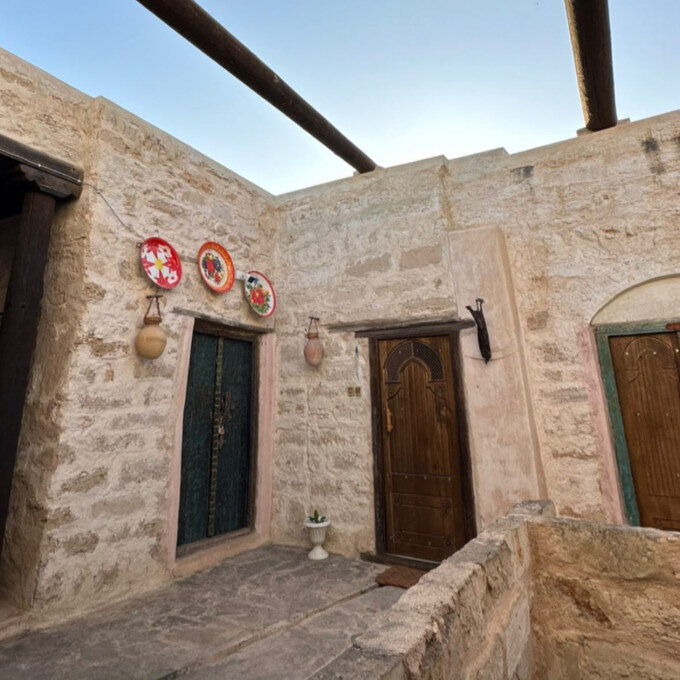
Traditional houses in Dhofar followed architectural principles deeply rooted in Islamic urban planning. Rather than presenting themselves to the street, they turned inward – creating a protected internal world centered around the courtyard.
This inward-facing design ensured privacy and dignity for the family. Public and private spaces were carefully separated. Reception areas such as the Majlis were positioned near the entrance, while living quarters were arranged deeper within the house.
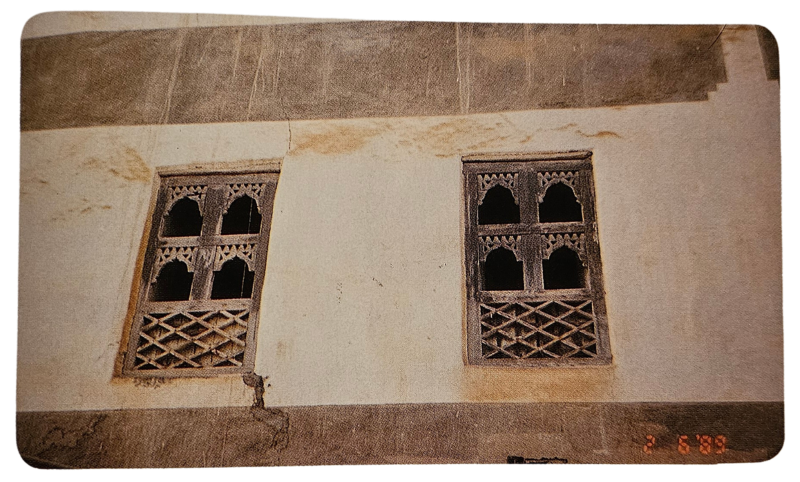
Windows and openings were deliberately controlled to prevent direct visibility from outside, preserving modesty and social harmony. At the same time, thoughtful orientation, thick stone walls and shaded inner spaces allowed natural ventilation and climate regulation.
The house was never conceived as a facade for display, but as a sanctuary – structured around protection, balance and respect.
Windows and openings were deliberately controlled to prevent direct visibility from outside, preserving modesty and social harmony. At the same time, thoughtful orientation, thick stone walls and shaded inner spaces allowed natural ventilation and climate regulation.
The house was never conceived as a façade for display, but as a sanctuary – structured around protection, balance and respect.
Climate, Materials and Craftmanship
Why the house stays cool in the summer and warm in winter?
The Koofan House was built with a profound understanding of climate and local resources.
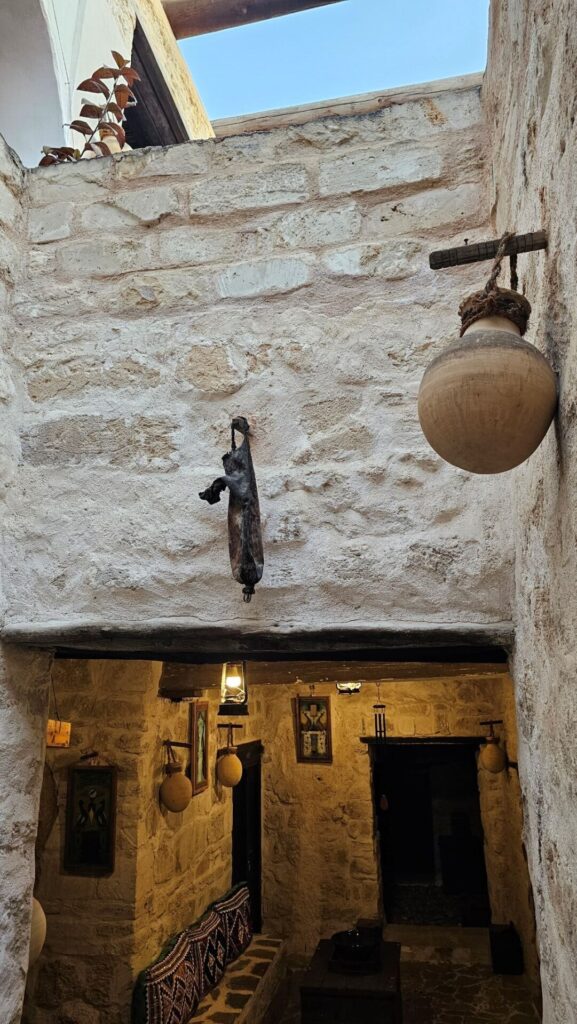
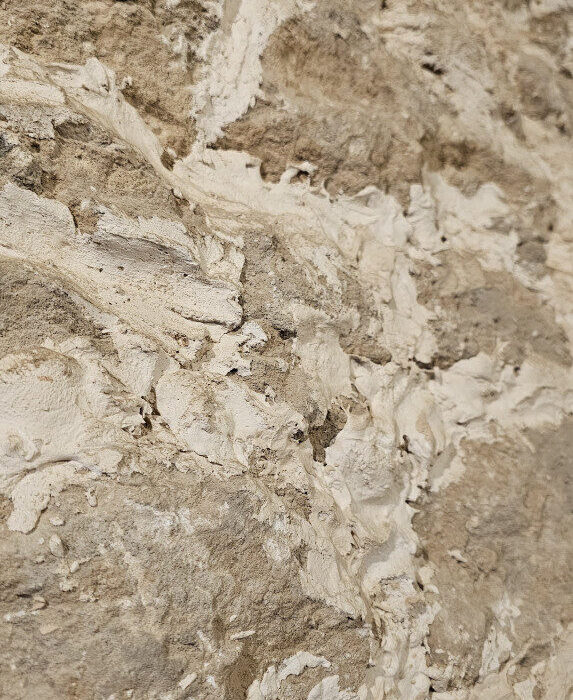
Its thick load-bearing walls are constructed from local “Quss” stone, bonded with a traditional clay mixture known as Yuba’a – a blend of earth, small stones and agricultural fibres compacted by hand to ensure strength and durability. This breathable structure naturally regulates temperature, keeping interiors cool during summer and comfortably warm in winter.
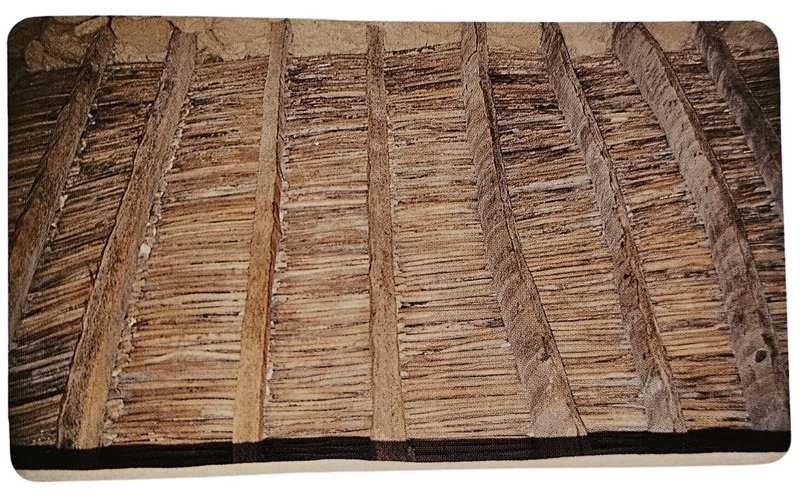
Ceilings and structural beams were crafted from regional woods such as Mitan (wild olive), Sagout and Al Raqrak. Select timber was historically imported from India and East Africa, reflecting Taqah’s maritime trade connections.
The roof structure, crafted from palm trunks and regional timber, was designed not only for stability but for airflow. The layered construction allows heat to dissipate naturally, reducing temperature accumulation beneath the ceiling.
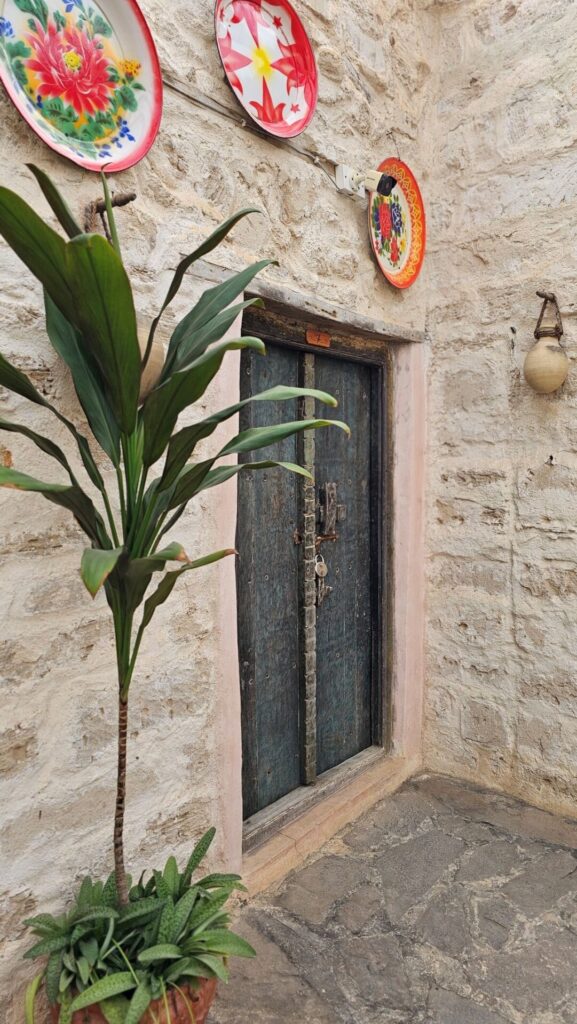
Carved wooden doors and carefully shaped architectural details demonstrate the craftsmanship and identity of the region.
Traditional windows were positioned for ventilation rather than outward view. Openings were carefully calculated to allow airflow while preserving privacy and preventing direct visibility from the street.
Wooden lattice elements further softened light and enhanced interior comfort.
The 3 Levels of the House
Each floor of the Koofan Heritage Lodge carries its own name and function. A reflection of Omani domestic and commercial life.
Ground Floor "Dahariz"
Traditionally used for storage and small shops, this floor once served as the commercial heart of the house — a place where trade and daily life intertwined.
First Floor "Mahayil"
Designed for family living, this level included a kitchen, a main bedroom, and cozy sitting areas for rest and social gatherings. It represents the warmth of Omani domestic life, where meals, stories, and laughter were shared.
Second Floor "Kusoor"
Also used for living quarters, it mirrors the layout of the first floor, with spaces for rest, family life, and contemplation. Its elevated position offered privacy and views over the historic neighborhood of Taqah with natural ventilation and light.
Today, these historic levels house 12 individually named Heritage Rooms & Suites, each carefully restored to preserve original details while offering refined comfort.
This heritage presentation draws upon documented research on traditional Dhofari architecture, particularly the work “Old Houses in Dhofar Governorate” by Khalid bin Ahmed Al-Siyabi. We acknowledge with respect the scholarly contribution that preserves the architectural knowledge of the region. All rights remain with the original author and publisher.
A sustainable Heritage Landmark in Dhofar
The Koofan Heritage Lodge is a living example of eco-architecture and responsible tourism.
The construction philosophy relies entirely on local materials, natural ventilation and sustainable techniques long before modern engineering defined sustainability.
The restoration between 2018 and 2023 was carried out with deep respect for the original design, ensuring that the house remains structurally authentic while meeting modern comfort standards.
The restoration of this historic house is an ongoing process of care and stewardship. Our team continously undertakes sensitive maintenance and conservatin work to preserve its original character and ensure its longevity. Maintaining a 150-year-old heritage building requires considerable dedication and rescources. With every stay and every purchase in our shop, you actively support the preservation of our living cultural landmark.
Traditional Omani architecture integrity
Responsible use of natural resources
Community-based green tourism in Taqah
Alignment with Omani Vision 2040
Preservation & Responsibility
The restoration of this historic house is an ongoing process of care and stewardship. Our team continously undertakes sensitive maintenance and conservatin work to preserve its original character and ensure its longevity. Maintaining a 150-year-old heritage building requires considerable dedication and rescources.
With every stay and every purchase in our shop, you actively support the preservation of our living cultural landmark.